internal
Plastering and skimming
Skimming a room costs £450 to £750, or £18 to £28 per square metre, and takes a day for a small room and two for a large one. Floating a bare wall first, rather than skimming over something sound, is roughly double that, because it is two coats and a different job.
What this covers
What it costs. Skimming an average room costs £450 to £750, which works out at £18 to £28 per square metre. Full cost breakdown.
What the job covers
- Skimming over existing plaster that has gone tired but is still sound
- Floating and setting a bare brick or block wall in two coats
- Overboarding and skimming a ceiling rather than pulling it down
- Patching out after a wall has been chased for cables or pipes
- Skimming new plasterboard in a loft conversion or extension
What is involved
Skimming is a finish coat, two to three millimetres of multi-finish laid over a surface that is already flat and sound. The plasterer scrims any joints, PVAs the wall so it does not suck the water out of the mix, and then works in passes: lay on, flatten, and trowel up as it firms, which is where the finish is actually made. A wall that has been skimmed well needs nothing but a mist coat before it is painted.
Floating is the other job, and the one people underestimate when they ask for a price over the phone. A bare brick or block wall, or one where the old plaster has blown and come off, needs a backing coat ruled to beads and scratched before the finish goes on. That is two visits' worth of material and drying time in one job, and it is why a quote moves when the plasterer sees the wall rather than hearing about it.
The thing worth knowing before you ring anybody: tap the wall. A hollow note over a wide area means the plaster has lost its key and skimming over it will fail, because the new coat is only as sound as what it is stuck to.
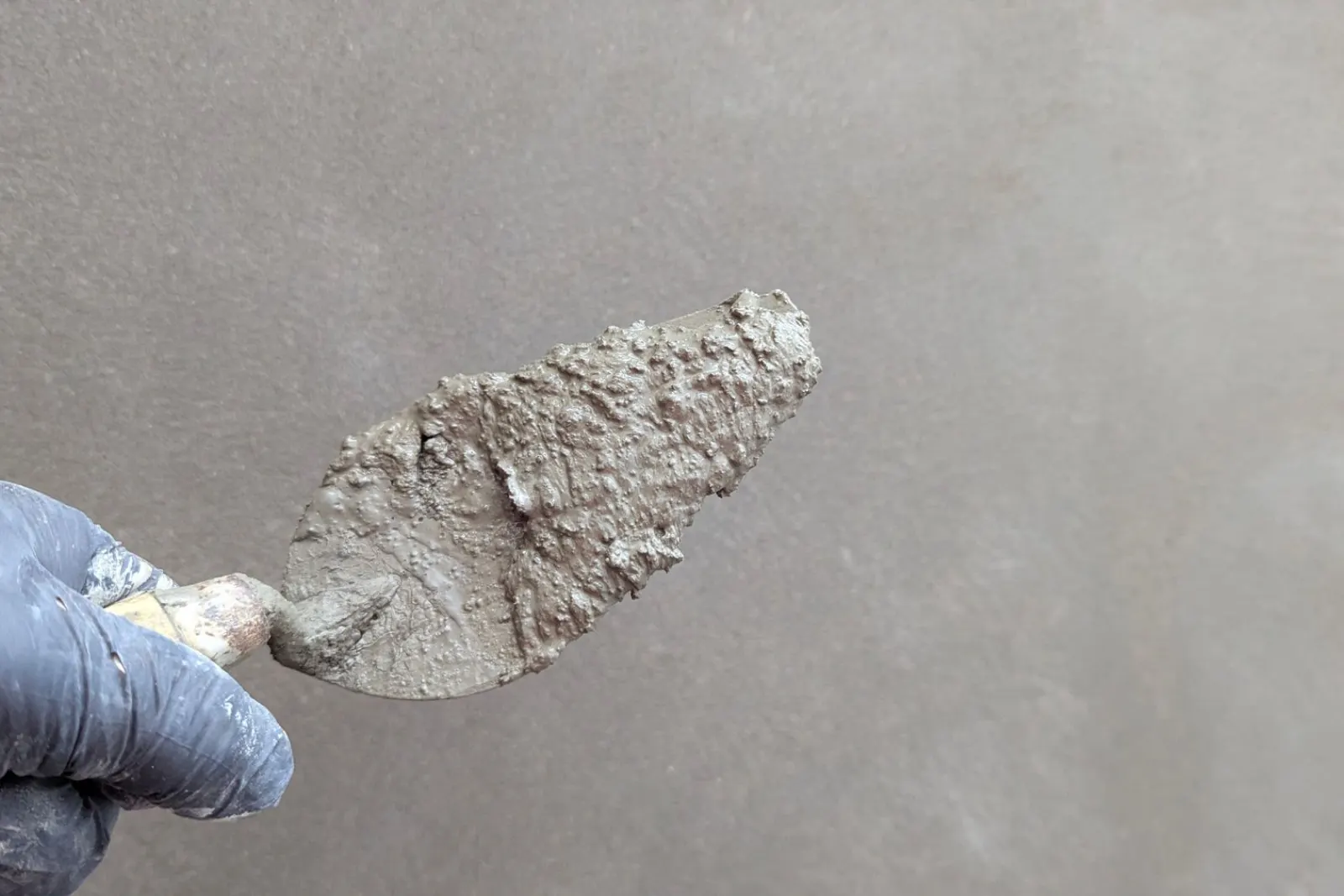
Skimming over existing plaster that has gone tired but is still sound, one of the jobs a plastering and skimming specialist is hired for.
Choosing someone for the job
Ask whether they are skimming or floating, and what they expect to find behind the wallpaper. Ask whether the price includes making good the angles and the reveals. Ask what preparation they want from you, because a room cleared and sheeted the night before is a cheaper job than one they clear themselves. And ask when you can paint it: a plasterer who says next day has not allowed for the wall drying out.
Common questions
How long does plaster take to dry?
Three to seven days for a skim, longer for a backing coat and longer again in a cold room. It goes from pink to pale as it dries, and it dries from the edges in, so the last patch to change colour is the one to wait for.
Can you skim over wallpaper?
It is done and it is a gamble. The paste behind the paper lets go as the wet plaster soaks into it, and if it lets go the skim comes with it. Most plasterers will ask you to strip it first, and the ones who will not are pricing the risk into the job.