repairs
Crack and patch repairs
A plaster repair is charged by time, not by area, and a half day is the usual minimum. That minimum is the fact that surprises people, and it exists because a bag has to be mixed and the morning is gone whether the hole is the size of a plate or a door.
Post your plastering job to Premium membersTell us about your job once. Premium plasterers who cover your area can then contact you.Describe your job
What this covers
What the job covers
- Cutting out and refilling a crack from movement, then scrimming it
- Patching where a radiator, socket or fireplace has come out
- Making good after a chase for cables or pipework
- Repairing a blown patch of plaster that sounds hollow
- Small repairs ahead of a decorator starting
What is involved
Most repairs are one of four things. A crack that has opened and needs cutting out, filling and scrimming. A patch where a radiator, a socket or a fireplace has come off the wall. A chase that has been cut for cables or pipework and needs making good. Or a blown area where the plaster has lost its key and sounds hollow when tapped.
The distinction that matters is between filling and plastering. Filler is for hairline shrinkage and small holes, it is a decorator's material, and it goes off in an hour. Plaster repairs cut back to something sound, rebuild in backing coat where there is depth to make up, and skim over scrim so the joint stays hidden under the paint.
The other thing worth knowing is that a crack is information. One that follows a line, widens at one end, or comes back after being filled properly is telling you about movement behind the wall rather than about the plaster.
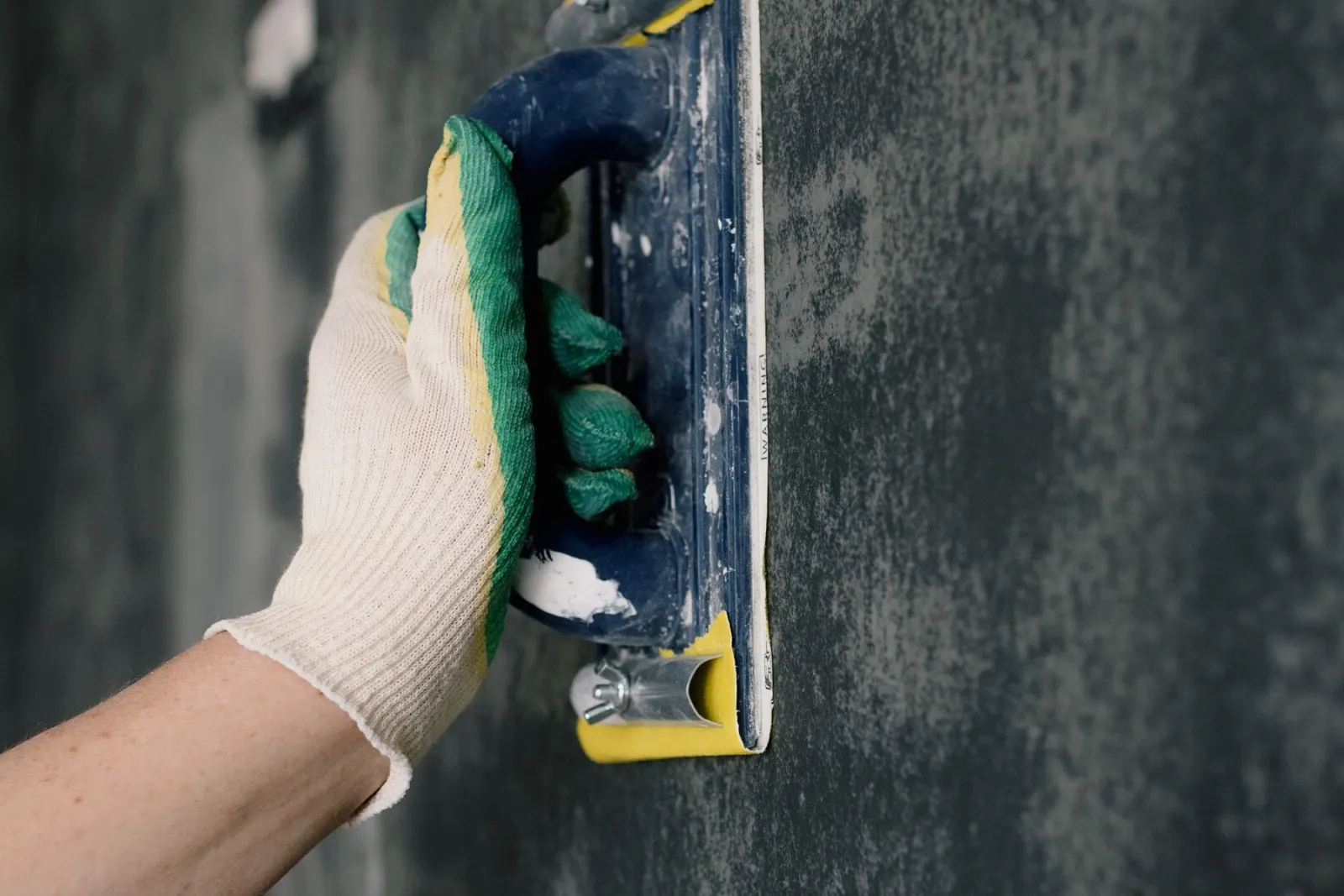
Cutting out and refilling a crack from movement, then scrimming it, one of the jobs under crack and patch repairs.
Choosing someone for the job
Ask what the minimum charge is before booking, because it is the whole of most quotes on this page. List everything that needs doing in one go rather than calling twice. And ask what they think caused a crack before agreeing to fill it, because a crack that keeps coming back needs its cause found first.
Further reading: Cracks in plaster: why they appear and which ones matter; Skim or replaster: which one your wall needs; Mist coat on new plaster: the ratio, the paint, the method; Plasterboard patch repair: how to fix holes of any size; How to find the studs in a wall, and fixings that will hold.
Related jobs:
Common questions
Why is there a minimum charge for a small repair?
Because plaster is mixed by the bag and goes off in under an hour, so a two hour job uses the same setup, the same materials and the same travel as a four hour one. Almost every plasterer charges a half day as a floor.
Should I use filler or get it plastered?
Filler for hairline cracks and holes smaller than a coin. Plaster for anything with depth, anything that sounds hollow, and anything larger than a hand, because filler over an unsound edge cracks along the same line.
Why does my crack keep coming back?
Because something is still moving. Seasonal shrinkage in a new-build settles within a year or two. A crack that follows a diagonal, widens at one end or reopens every winter is worth looking at properly before more money goes into filling it.
Can one wall be replastered without doing the room?
Yes, and it is common after a fireplace or a chimney breast comes out. Expect a visible difference in flatness and suction against the old walls, which usually shows up when the paint goes on rather than before.