heritage
Lime plastering and heritage work
Lime plastering costs £60 to £110 per square metre and cures over weeks rather than days. On a solid wall built before about 1919 it is not a matter of taste: gypsum on that wall traps moisture in the masonry, and that is the most expensive common mistake in this trade.
What this covers
What it costs. Lime plastering costs £60 to £110 per square metre against £18 to £28 for gypsum, and cures over weeks rather than days. Full cost breakdown.
What the job covers
- Lime plastering a solid wall that has to stay breathable
- Lime rendering a stone or cob elevation
- Haired lime on riven lath in a listed building
- Replacing cement render that has trapped moisture in a solid wall
- Working to a conservation officer's specification on a listed property
What is involved
A wall built before about 1919 has no cavity. It keeps the weather out by being thick, absorbing water on the outside and letting it evaporate back out, and everything on it was chosen to let that happen. Lime plaster is vapour open, it is soft enough to move with the wall rather than crack away from it, and it is mildly alkaline, which is why old lath and plaster survives in houses where modern skim has blown.
Gypsum does none of those things. It is harder than the masonry, it is effectively vapour closed, and it holds water against the wall rather than releasing it. On a solid wall the result is damp appearing somewhere else, salts coming through the decoration, and plaster losing its key within a few years.
The practical differences are time and touch. Lime goes on in coats that have to carbonate rather than set, so a three coat job runs over weeks with the wall protected from sun, frost and draughts between them. It is also a smaller pool of tradespeople, which is why every town page on this site counts how many of the plasterers listed there take lime work.
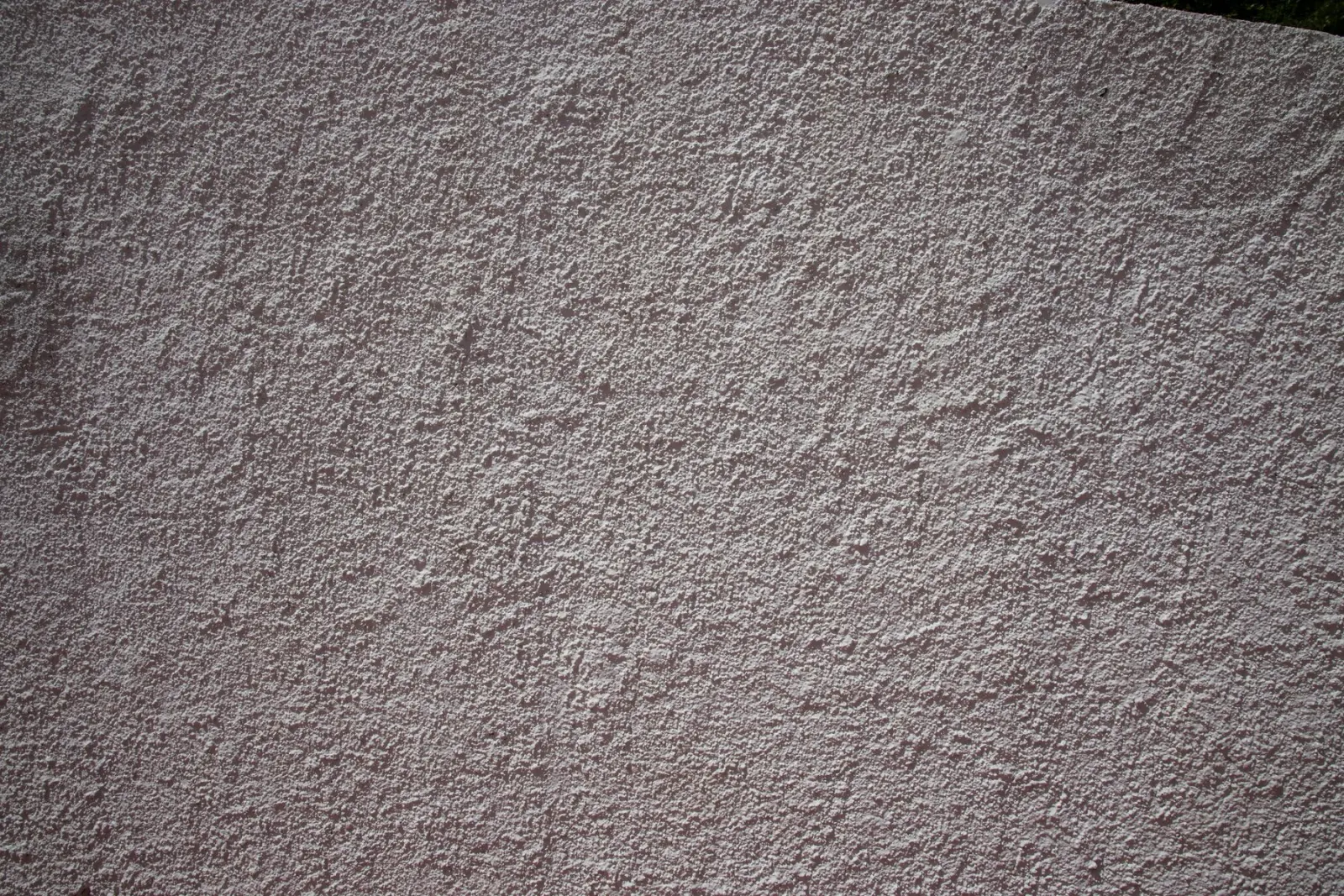
Lime plastering a solid wall that has to stay breathable, one of the jobs a lime plastering specialist is hired for.
Choosing someone for the job
Ask what lime they are using and why: hydraulic, putty, and the various strengths behave differently and suit different exposures. Ask how many coats and what the interval between them is. Ask how the wall is protected while it cures. And on a listed building, ask whether they have worked to a conservation officer's specification before.
Common questions
Why can't I use normal plaster on an old wall?
Because a solid wall keeps water out by absorbing it and letting it evaporate, and gypsum stops the evaporating half. The moisture then appears somewhere else, brings salts with it, and eventually pushes the plaster off. Lime lets the wall keep working the way it was built to.
How long does lime plaster take to dry?
It does not dry so much as carbonate, taking up carbon dioxide from the air over weeks. Allow one to two weeks per coat, longer in cold weather, and keep it off frost and out of direct sun while it does.