Guide
Preparing a room for a plasterer
What to move, what to take off the walls, and what the plasterer expects to find. Half a day of preparation is the difference between a one day job and two.
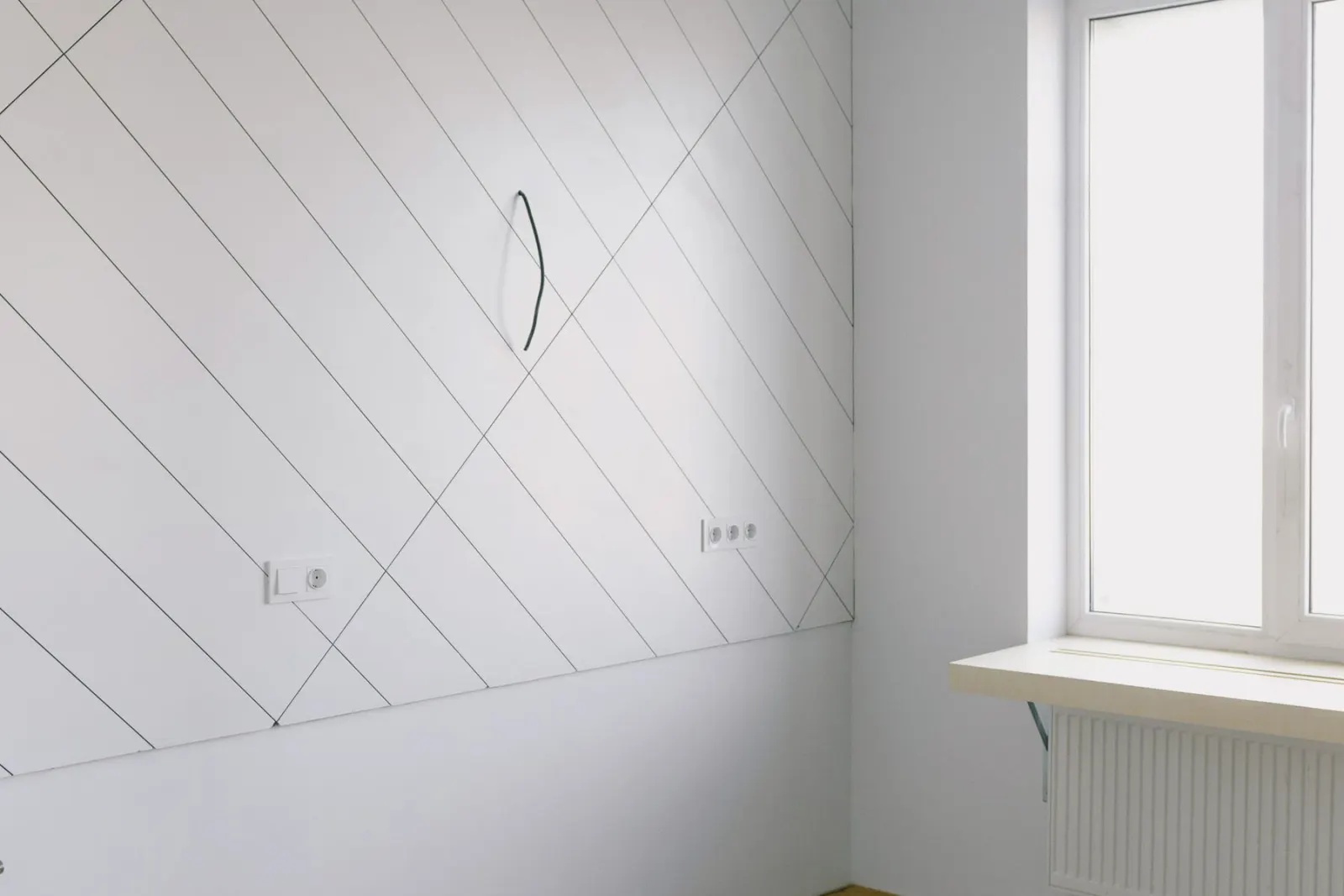
What to move, and how far
Everything, if you can. Most quotes assume an empty room with the floor sheeted, and a plasterer working around a wardrobe in the middle is slower and produces a worse corner behind it.
If something genuinely cannot move, say so when you get the quote rather than on the morning. A piano in the middle of a room is a fact about the job and it belongs in the price.
Curtains, poles, pictures, mirrors and shelves all come off the walls. So do the curtain brackets, unless you want them plastered around.
Floors and carpet
Plaster splashes and it sets. On a carpet it is very hard to get out once it has gone off.
Most plasterers sheet the floor and most will not take responsibility for a carpet they have sheeted. If the carpet is coming up anyway, take it up before rather than after: it is easier and it gives the plasterer a clean floor to mix on.
Lift or cover any flooring you care about with proper dust sheets rather than old bedding, which soaks through.
Electrics, radiators and what comes off the wall
Sockets and switches: the faceplates usually come off and go back so the plaster can run behind them. Ask who is doing that, and if it is you, turn the circuit off.
Radiators: taking them off gives a far better finish behind. Draining and refitting one is not plastering work and it needs arranging in advance.
Anything hanging, fixed or screwed to the wall should be off it before the plasterer arrives, including anything you are planning to put back. Say where the fixings were if you want noggins or a mark left.
Strip the wallpaper
This is the one that costs money if it is skipped. Wet plaster soaks into the paste behind wallpaper, the paste releases, and the skim comes off with the paper.
Stripping is slow, boring and entirely within the reach of anybody with a steamer and a scraper, and doing it yourself is free. If the plasterer does it, you are paying a skilled rate for unskilled work.
Access, water, power and parking
The plasterer needs a tap, a power socket for the mixer, somewhere to mix that is not your kitchen, and somewhere to park within carrying distance of a bag of plaster.
On a terraced street with a permit scheme, sort the parking before the day. It is the single commonest reason a job starts an hour late.
And agree where the waste goes. Bagged plaster waste is heavy and a plasterer is not obliged to take it away unless it was quoted.
Common questions
Do I need to empty the room completely?
As close as you can manage. Most quotes assume a clear, sheeted room. Anything that cannot move belongs in the conversation when you get the quote, not on the morning.
Should I strip the wallpaper myself?
Yes, if you have the time. It is unskilled work you would otherwise pay a skilled rate for, and skimming over wallpaper is a genuine risk of the whole wall failing.
Do radiators need to come off?
Not necessarily, but the finish behind them is much better if they do. Draining and refitting one is not plastering work, so it has to be arranged in advance rather than asked for on the day.
Will plastering make a mess?
Yes. It splashes, the mixing makes dust, and sanding makes more. Sheet the floor properly, take up carpet you care about, and expect to clean the room afterwards whoever does the work.