Guide
Painting pebbledash, or removing it: how to decide
Sound pebbledash can be painted with masonry paint once cracks and hollow patches are repaired. Removing it often damages the brick behind, so a test patch comes before any decision to strip a whole wall.
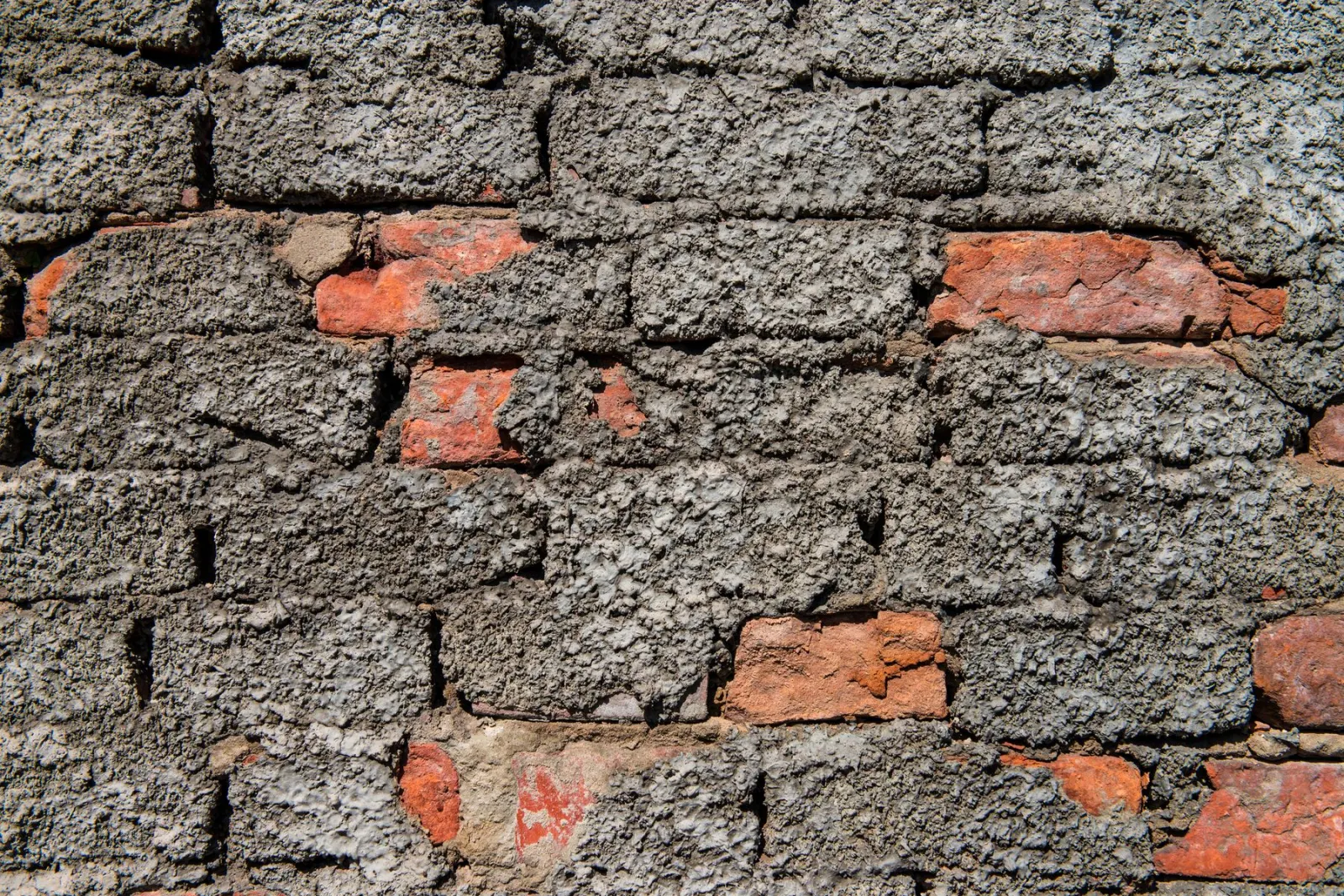
What you have on the wall
Pebbledash is a render coat with small stones thrown at it while it is still wet, so the stones sit in the surface. Roughcast, also called wet dash or harling in Scotland, has the stones mixed into the final coat and thrown on together. Both were used to weatherproof walls and to cover brickwork that was never meant to be seen, and both are bonded to the wall with a strong cement mix.
That last point is why removal is harder than people expect, and why the condition of the existing coat decides almost everything on this page.
Check its condition first
Walk round the house and tap the dash with the handle of a screwdriver at intervals. A sharp sound means it is well bonded. A dull, hollow sound means it has come away from the wall behind and is held on by its neighbours.
Look for cracks, especially around windows and at the corners, bald patches where stones have fallen out, and dark staining below gutters and sills. Staining points to water getting behind the coat. Small areas of hollowness and cracking are ordinary repairs. Large hollow areas, or a wall where tapping brings pieces off, are telling you that painting it would be painting over a failing render.
Do this before anybody quotes, and mark the hollow areas with chalk. It turns a vague conversation about the state of the wall into a measurable area of repair, and it lets you compare quotes on the same basis.
Painting it
Painting is the cheapest way to change how pebbledash looks, and sound dash takes masonry paint well. The method is:
- Repair cracks and hollow areas first, cutting out any loose dash and patching it.
- Clean off algae and dirt, and treat any green growth with a fungicidal wash.
- Let the wall dry out after cleaning.
- Apply masonry paint with a long pile roller and a brush for the gaps, or spray it.
Two things catch people out. The textured surface uses a lot more paint than a smooth wall of the same area, so buy accordingly. And once painted, it has to be repainted every few years for as long as you own it, where unpainted dash just weathers.
On an older solid-walled house, use a masonry paint that lets moisture out of the wall. A paint film that traps water in old masonry causes damp inside.
Removing it
Removing pebbledash is slow, noisy and dusty, done with hammers and chisels or a power tool, and the hard cement bond is the problem. The dash often brings the face of the bricks with it. On many houses it was put on in the first place to cover rough or patched brickwork, so what is underneath may not be worth exposing.
This is why a test patch in a hidden spot comes before any quote for a whole elevation. If the brick comes away cleanly, stripping and repointing is possible. If the brick faces come off with the dash, the wall will need rendering after stripping, and you have paid to remove a coat only to put another one on. A third route, rendering straight over sound pebbledash, is often the better one; our render guide covers it.
Do you need permission?
Painting is normally treated as maintenance. The Planning Portal says you will not usually need planning permission to paint or maintain external walls, but that some areas have had those rights removed by an article 4 direction, and painting a listed building in a different colour needs listed building consent.
Changing the coating is different. The Planning Portal says rendering or cladding a house is permitted development only where the materials are similar in appearance to those used in the house, and that conservation areas, national parks, areas of outstanding natural beauty and the Broads need planning permission. Changing the type or colour of the render can need permission too. Stripping dash back to brick changes the appearance as much as adding it does, so ask the council before you commit.
Questions for whoever quotes
- How much of the dash is hollow, and is the repair in the price?
- Which masonry paint, and is it breathable enough for this wall?
- If removing: have you done a test patch, and what did the brick look like?
- What happens to the price if the brick is damaged and needs rendering?
- Is scaffold included, and for how long?
Common questions
Can you paint pebbledash?
Yes, if it is sound. Repair cracks and hollow areas, clean off growth, then use masonry paint. Expect it to take more paint than a smooth wall and to need repainting every few years.
Does removing pebbledash damage brickwork?
It often does, because the dash is bonded with a strong cement mix and pulls the brick faces off with it. A test patch in a hidden spot shows what to expect before you commit to a whole wall.
Do I need planning permission to remove pebbledash?
Possibly. Changing the external appearance of a house can need permission, and it does in conservation areas and on listed buildings. Ask the council before starting.
Is it better to render over pebbledash than remove it?
Often, if the dash is sound and well bonded. It avoids the damage and mess of removal. Any hollow areas still have to come off first.